
This blog post is dedicated to my youngest child. He is a twin and he is the youngest by only one minute. When the boys were toddlers, they shared a room. His brother would always play hard and would be super active until his head hit the pillow, then he would be out cold. My youngest on the other hand, was a different story. We would spend HOURS trying to get him to go to sleep. And what was worse was that he would keep his brother up because he wanted to play. Then they would start fighting, and the vicious cycle continued every night for YEARS. Even as a fifteen year-old, he still regularly goes to bed way after everyone else in the house, he is just much quieter now and has his own room. But when I say that this cycle continued easily until he was ten or eleven, that’s not an exaggeration. My husband and I were at a loss-why wouldn’t this kid sleep?
Two sleep studies later, we did find out that he had sleep apnea and needed to have his tonsils removed. We also found out that some people just need less sleep than the average 7-8 hours. And usually those people have ADHD. In reality, about 45% of people diagnosed with ADHD also report sleep issues. It’s more than just “I can’t shut my brain off” and in fact, there are several different reasons for it.
ADHD and sleep difficulties are highly connected and there is a difference between insomnia and ADHD-related sleep challenges. While this isn’t simply a lack of discipline or poor sleep habits, it does relate to how your brain works.
Why the ADHD Brain Struggles at Night
Hyperactive Thoughts
- Racing mind
- Mental replaying
- Planning tomorrow
- Creative bursts at bedtime
Delayed Circadian Rhythm
And this is my youngest right here. It’s 9:30 at night? What a great time to walk the neighborhood for 5 miles (I wish that was an exaggeration, but it’s not. His Strava account proves it). Night owl tendencies and “hitting your stride” late in the day can be caused by delayed circadian rhythms.
Dopamine Seeking
- Suddenly wanting to research, clean, organize, or start projects
- Endless scrolling because the brain wants stimulation
Difficulty Transitioning
- Executive functioning and “switching off”
- Stopping enjoyable activities feels almost impossible because they are providing dopamine, which the ADHD brain craves
Emotional Processing
- Bedtime as the first quiet moment of the day
- Anxiety, stress, and emotional overwhelm surfacing
Other ADHD-Related Factors That Can Affect Sleep
- ADHD medication timing-if my twins take theirs past 11 AM, you can forget bedtime
- Caffeine sensitivity (or paradoxical responses)
- Sensory sensitivities (temperature, clothing, noise, light)
- Restless legs or movement needs
- Co-occurring anxiety or autism
- Hormonal changes
ADHD-Friendly Ways to Fall Asleep More Easily
Create a “Brain Shutdown” Routine
- Externalize tomorrow’s tasks-I often add them to a note in my phone so I feel calmer
- Journaling or brain dump
- Reduce decision fatigue-I work with clients on how to reduce decision fatigue throughout their days, making evenings noticeably calmer
Work With Your Brain Instead of Against It
- Gentle routines instead of rigid schedules
- Transition cues
- Lower expectations for a “perfect” bedtime-consistency beats perfection every time. If you create a routine that you can follow, it will help a lot more than a “perfect” routine that you can never use.
Reduce Stimulation Gradually
- Lighting
- Screens
- Background audio
- White noise or brown noise
Meet Sensory Needs
- Weighted blanket (if appropriate)
- Comfortable sleep clothing
- Cooling or warming strategies
- Fidget or calming sensory input
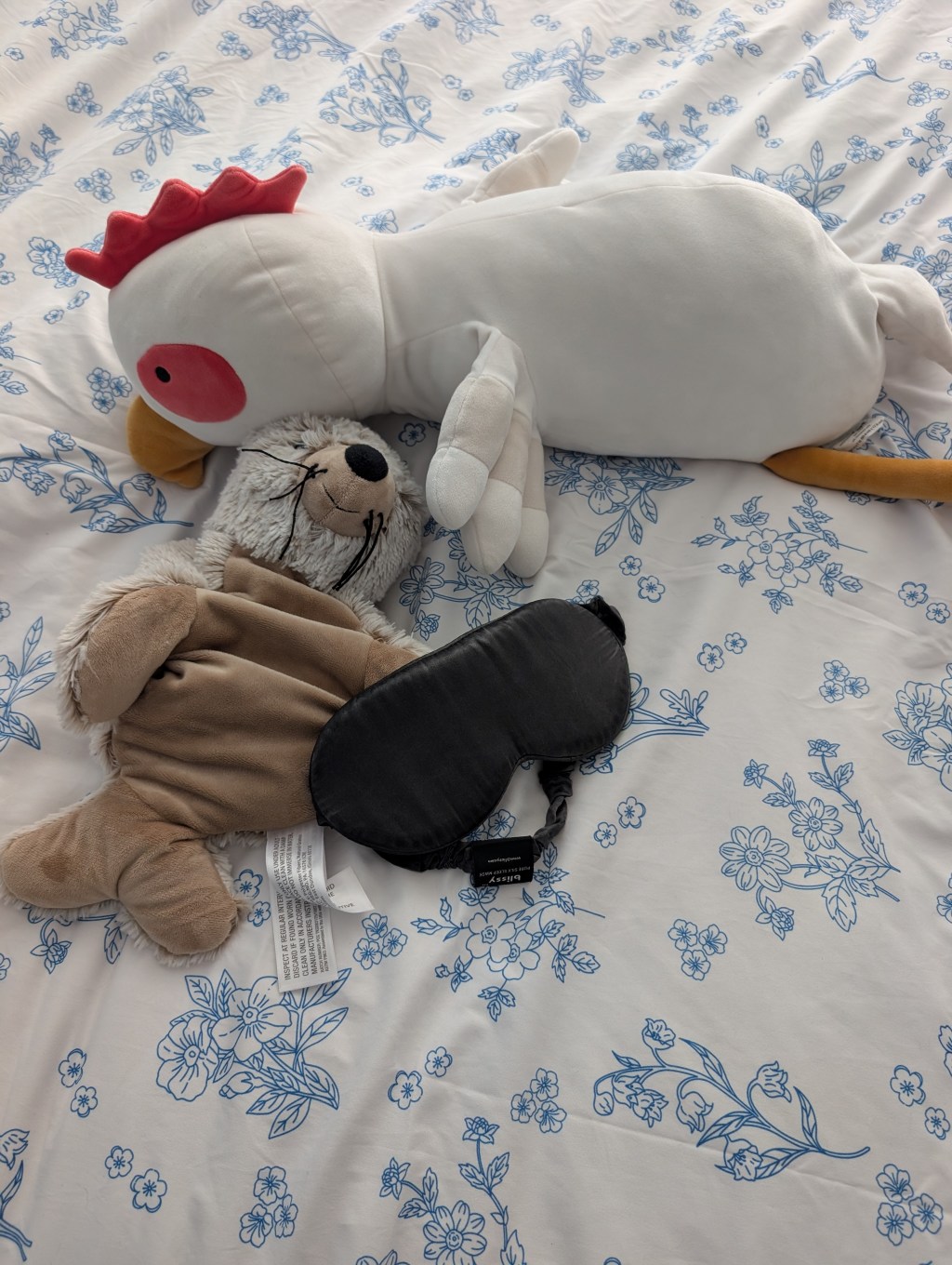
- Eye mask-my daughter LOVES hers and uses it every night!
Calm a Racing Mind
- Guided meditation
- Progressive muscle relaxation
- Breathing exercises
- Audiobooks or familiar podcasts
What Usually Doesn’t Help
- Telling yourself to “just go to sleep”-if that worked, don’t you think everyone would do that?
- Staying in bed frustrated for hours
- Comparing yourself to people without ADHD
- Strict routines that create shame when missed
When It Might Be Time to Seek Extra Support
- Persistent insomnia
- Sleep apnea
- Restless legs syndrome
- Medication adjustments
- Working with a healthcare provider or therapist
Encouragement: You’re Not Lazy—Your Brain Simply Falls Asleep Differently
Think about it this way: we would give accommodations to ADHD students in school, you are entitled to sleep accommodations for a successful night too. Sleep struggles are common in ADHD and small changes often work better than trying to overhaul everything at once.


Leave a Reply