
Before the Pandemic, I was already struggling with my health. In fact, I have pinpointed 2017 and 2018 as pivotal years that triggered a significant decline in my overall health. During these years, I was working 50-60 hours per week and while I was very good at my job, I had a lot of stress at work. I was also trying to raise 2 little boys who were very obviously ADHD, but we were still navigating the diagnosis and treatment process, so their behavior was very stressful and I was constantly getting emails and phone calls from their teachers. My daughter’s anxiety was worsening, and I was trying to find her the help she needed as well. I assure you, I definitely felt like I was in the running for Worst Parent of the Year, which didn’t help either.
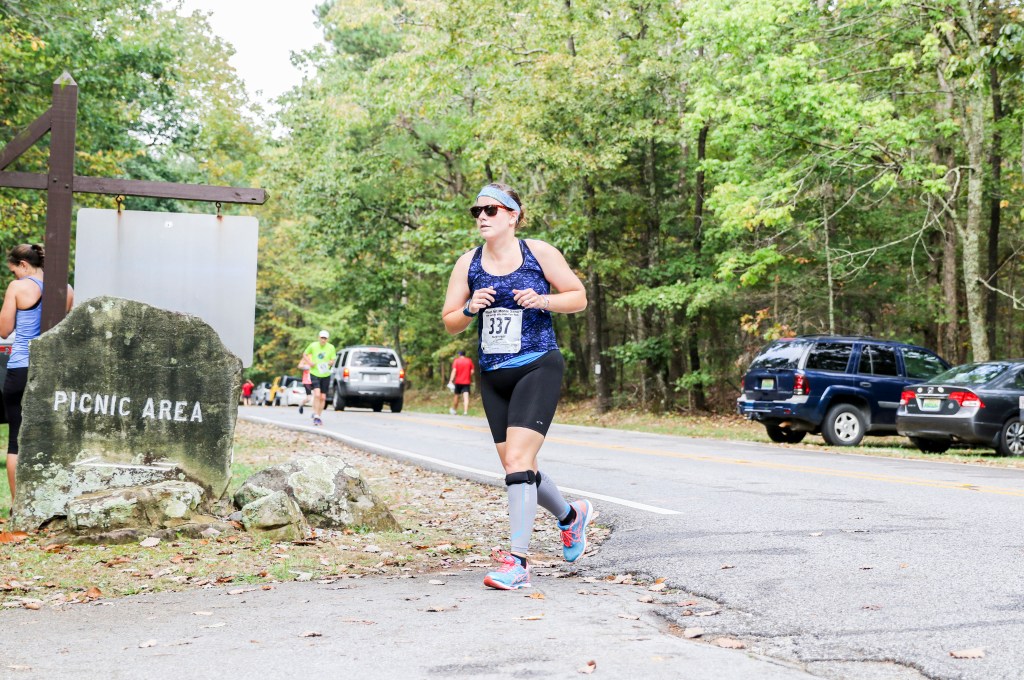
How did I manage my stress during this challenging time? I was already an avid runner, so I decided to challenge myself by running my first half marathon. I can honestly say that increasing my mileage and focusing on a personal challenge definitely helped to boost my mood and was a positive addition to my self-care routine; however, how I recovered from my runs and treated my body the rest of the time arguably undid any positive effect my runs created.
As I was doing some research for another project this week, I came across information from the Cleveland Clinic about cortisol. Cortisol is a hormone that plays a key role in managing the body’s stress response. Some of its functions include: releasing glucose so your muscles are ready for action, raising your blood pressure, ensuring that you are awake and alert, ready to face danger, which are all necessary to be successful in a fight or flight moment. While I was never in a situation where I was going to need to physically fight someone or flee from a conflict, all of the stressors I mentioned above kept me in a constant state of fight or flight and the cortisol was freely flowing. I had almost every one of the following symptoms:
- Weight gain from frequent release of glucose
- High blood pressure
- Disrupted sleep (frequent or elevated levels of cortisol make you stay awake for longer periods)
- Elevated blood sugar, a risk factor for metabolic syndrome and type II diabetes
- Weak bones and bone fractures
Yes, even though I was running more, I was still gaining weight. My blood pressure was steadily creeping up (and didn’t return to normal until 2024). I was CONSTANTLY waking up at 2 or 3 AM and struggling to go back to sleep. On top of this, I did what many people do when they are stressed and tired: I drank more coffee (averaging 3 cups per day) and drank 2 glasses of wine on Fridays, Saturdays, and Sundays to “celebrate” making it through the week.
How did this impact my running? My runs themselves were fine-I wasn’t trying to qualify for Boston; my goal was to finish a half marathon. I ran the Huntsville Half Marathon in November of 2017 (RIP to my soul, which I lost at mile 12 since it was all uphill). I felt great afterwards and decided since I was already in half marathon shape, I would run the Bridge Street Half in April 2018. However, something felt off after I finished Bridge Street (with a 9 minute PR over my first half). I didn’t feel bad, but I didn’t feel great. It turns out, this was a subtle warning from my body that an 8 mm kidney stone was about to drop and create the absolute worst pain I have ever had in my life, requiring surgery to resolve it and two weeks of monitoring my urine, looking for reasons why it occurred. None of the labs showed anything out of the ordinary, so it was concluded that I needed to hydrate better. I guarantee that I wasn’t drinking enough water while I was training, while also increasing my caffeine and alcohol intake, so I cut back on my coffee and wine consumption.
Fast forward to 2020 and like everyone else, I was trying to improve my mental health by exercising outdoors. I pulled my IT band during a run and after 5 days of rest, I went for a walk in my neighborhood to test my recovery. All of a sudden, I felt an intense pain on the opposite side of my femur. I could barely walk. I had two x-rays and it took an MRI to discover that at 38 years old, I had a not-so-small stress fracture in my femur, the largest bone in your body. While I do have a family history of osteoporosis and have many genetic risk factors, my DEXA scan later that year still showed me in a normal (albeit low) range for bone density. I had hit the final symptom of high cortisol listed above: weakened bones and bone fractures.
If I had known then what I know today, I would have drastically changed my training and recovery plan for my half-marathon preparation. If I could do it over, I would:
- Make sure I was adequately hydrating (both with water and electrolytes as needed, especially since the training for the November half was primarily during higher heat months)
- Incorporated strength training-I was only running during this time, which looking back seems crazy! While residual soreness from strength training does make running the next day harder, my tendons and ligaments are much stronger now and my training runs are faster due to improved muscle strength
- I would incorporate red light therapy into my recovery plan-cortisol increases the body’s inflammation and red light therapy is helpful in reducing it, as well as stimulating cell repair
- Dial in my nutrition-for years, I was focused on eating carbohydrates and avoiding fat and protein. Now I prioritize protein for muscle growth and repair, but also for satiety. You need all three to support your body!
- The big one: address my stress sooner-like any Type A personality, I was doing it all and doing it well (at least on the surface), so I thought I was fine. It wasn’t until I started really addressing my stress (that resulted in an anxiety diagnosis) that I was able to lower my cortisol levels. I realized that I had become the master of ignoring all of my body’s cues and I have spent a lot of time trying to retrain myself to listen to my body. I now focus on what’s going to allow me to be active CONSISTENTLY and not place as much stress on my body and require time off from running or exercising.
You only get one body-make sure you treat it well, so it can take you wherever your dreams are!


Leave a Reply