
When I got married almost 20 years ago, I was acutely aware of how common it was for women to gain weight in their adult years. As a clinical exercise physiologist, I thought I had a bulletproof plan to maintain a healthy weight. When we were expecting our daughter 2 years later, my husband and I even bought an elliptical machine to keep in our spare room, so what could go wrong? And with each of my two pregnancies, I was able to lose all gained weight (plus a little extra). I considered myself successful, kept my regular exercise routine and dietary habits, and assumed I would be completely fine for the rest of my life as long as I prioritized exercise.
I don’t think I could have been more wrong if I had tried. It was much easier to lose weight when I was 27 and 29, but as I aged, my metabolism slowed. As a former competitive runner, I was a true cardio bunny and focused on cardio. Since I was trying to raise 3 babies under 2 years old, my free time was limited, so most of the time, I focused on cardio and if I was lucky, I was able to do Pilates, Yoga, or a little strength training (that was still low weight, high repetition), once in a while. And the result? I didn’t have much muscle mass as I headed into my 30s, where I started losing more muscle mass through the aging process. And to add insult to injury, my children had very rocky starts to elementary school, just as I was starting a new job with more required hours per week, in addition to starting a second masters degree. All of this was a perfect storm for high cortisol pulsing through my body daily. Every day I went to work, wondering when I would get a phone call or an email from my children’s teachers, discussing what they were unable to accomplish today, what trouble they caused, and I constantly worried about their futures.
What did I use to cope with stress? Storm eating. When our bodies are stressed, we enter the fight or flight response. In this response, our blood pressure rises, heart rate rises, and the body releases more sugar (glucose) to supply muscles with energy to literally fight off a foe or run away from it. While we normally don’t need to fight someone or something, when we are stressed about work, our children’s trouble in school, or if you are neurodivergent and masking constantly, we trigger this response. Because our bodies are looking for quick sources of energy, we crave simple carbohydrates to provide instant energy. We feel like we are starving and this can lead to storm eating or binging on simple carbohydrate snacks. In short, storm eating is a fast way to eat a surplus of calories.
Another cause of storm eating? Dopamine, a commonly known neurotransmitter that is associated with the pleasure-seeking and reward center of our brains. According to the Cleveland Clinic, sugar and junk food “…trigger the release of a large amount of dopamine into your brain, which gives you the feeling that you’re on top of the world and you want to repeat that experience”. Because this makes us feel happy, our bodies can become conditioned to eating high sugar foods to release more dopamine. Individuals with ADHD are dopamine-deficient and it’s common to turn to sugar and simple carbohydrates for a dopamine fix.
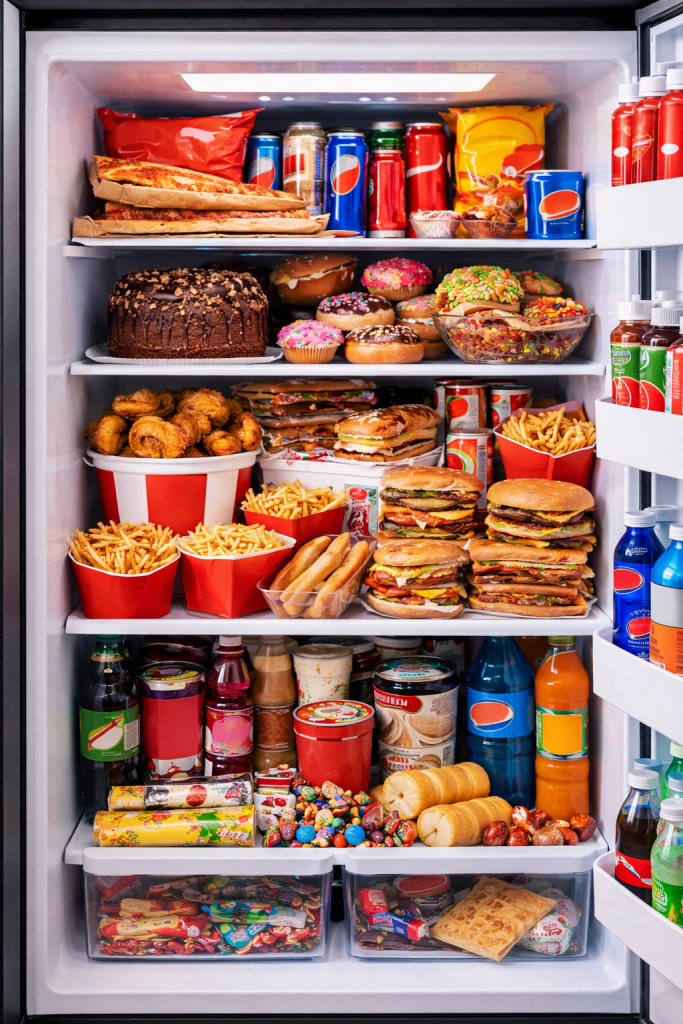
I was a chronic storm eater. I woke up one day in my early 40s, 60 pounds heavier, and had absolutely no idea of how I got there. In order to facilitate weight loss, I had to address my biggest contributor to my weight gain. It was a very difficult habit to break, and even 3 years later, I’m not sure I have it completely under control. But here are some helpful suggestions if this is something that you experience:
- Start by being aware of your actions: so much of storm eating is done subconsciously and you may not realize what is even going on. Using technology while you are eating further complicates this. Start by being completely present when you are eating and focusing on making meals and snacks a mindful, enjoyable experience.
- If you are mentally present and find yourself “starving”, make a mindful choice for a snack: remember, a snack isn’t a meal and its role is not to completely satisfy you; its job is to hold you over until your next meal.
- Identify the reason for eating: Much of my eating was emotional and due to stress. I had such a significant issue with storm eating and stress, that my body would feel like I was literally starving it if I wasn’t constantly eating. It took a long time to identify that this was caused by my fight or flight response. Before you eat, try asking yourself: is it true hunger, or are you bored, sad, or stressed? For my ADHD friends, many times the answer is boredom and you are looking for dopamine.
- Include protein: My body was so used to living off of simple carbs, but I always felt like I was “going to starve to death” and it made me feel anxious. It wasn’t until I started increasing my protein intake that I started feeling satisfied. I used to eat constantly to the point of physical discomfort, just so I wouldn’t feel like I was starving. Now I can trust my body to listen to hunger cues and protein actually helps me feel less anxious.
- Be patient and don’t give up: this has been a process that I have had to practice for several years. You don’t need to be perfect, but if you give up, you won’t change anything. Consistency beats perfection every time.
Need help creating a routine that supports your natural rhythms and needs? Visit my website today to schedule a free consultation!


Leave a Reply