
My nearly 17-year-old daughter has ADHD and severe anxiety; however, if you asked any of her sixth-grade teachers, they would tell me that she was great, participates well in class, occasionally asks questions when she didn’t understand something, and thrived when completing projects. My version: her room is a nightmare, she was up past 11 pm working on those projects (she did enjoy them), there was lots of crying and panic attacks preparing for tests because she never understood any material, and she kept coming home from school telling me that something was wrong. She was thirteen when she received her ADHD diagnosis. Like many women, her ADHD symptoms were overlooked (even by me) because she wasn’t impulsive, hyperactive, and was still earning As and Bs in school. She had lots of friends, was good at sports, and was generally socially accepted-why would anyone suspect a problem?
Years later, the middle school counselor at my school and I still call my daughter the “master masker”. Even through her significant anxiety episodes at the start of ninth grade, none of her teachers thought she was struggling; they all told me that she seemed happy and well-adjusted to high school. We were so far from that, unfortunately. She hid all of her troubles away from everyone.
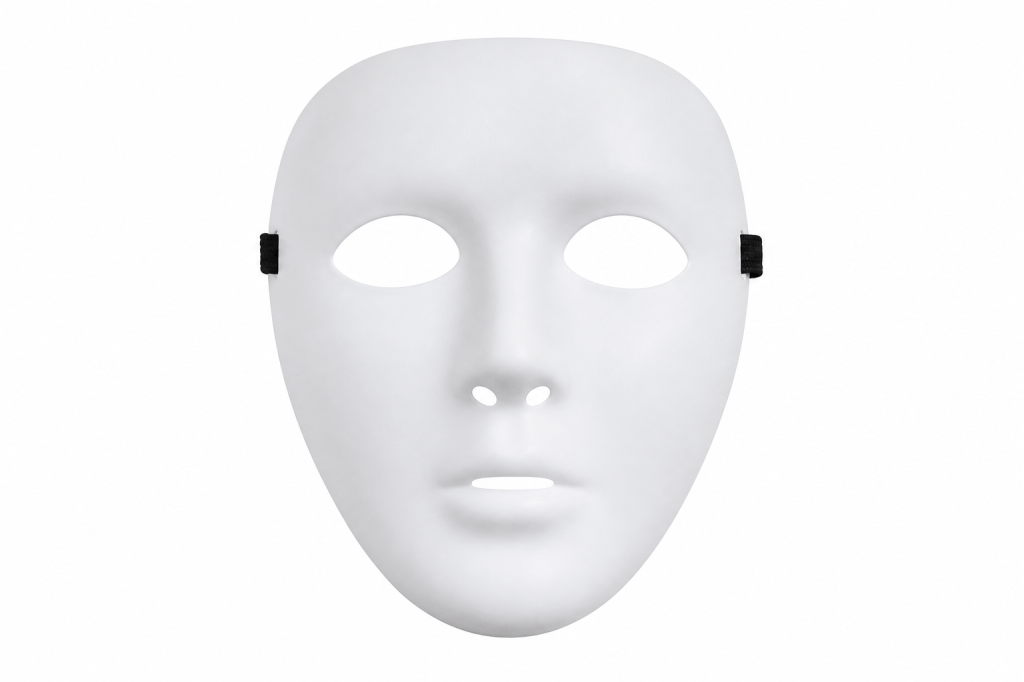
Masking is a term used to describe many behaviors used by neurodivergent individuals. When they do things to appear more neuro-typical or “normal”, they are suppressing or masking their neurodivergent behaviors. In ADHD, this is done to appear that you have everything under control. ADHD individuals use large amounts of mental and emotional energy to “hold it together” all day and are exhausted when they come home. One of my sons was notorious for barely keeping it together in Kindergarten, only to explode and take out his frustrations on my husband or me when he got home. Masking is exhausting and can significantly reduce your energy and motivation to do things you enjoy. But what’s the solution?
What ADHD Masking Actually Looks Like in Real Life
If you are just meeting a person who is ADHD masking, you may not be able to tell that they are, indeed, masking. This tends to look like:
- Over-preparing or overcompensating
- People-pleasing / saying yes when overwhelmed
- Hiding struggles with organization, time, emotions
- Mimicking “together” people
On the outside, the person looks organized and put together. The inside paints a very different picture. They are worried that something was forgotten, they didn’t prepare enough, they might make a mistake and more. This may also manifest with physical symptoms, such as an upset stomach, greater lack of concentration or attention, headaches, and physical fatigue, as well as mental fatigue. When done for a long time, masking can lead to identity confusion.
Why ADHD Masking Develops (And Why It’s Not Your Fault)
No one ever wants to mask. The most common reasons for masking include:
- Survival, not failure
- Social expectations, stigma, late diagnosis (especially women)-you have had to figure out ways to survive school and advance in your career on your own
- Parenting/caregiving pressure → “no room to fall apart”
Masking is a way to allow ADHD individuals to function in society, at work, and with their families. However, long-term masking has a cost.
The Hidden Cost of ADHD Masking: Burnout and Identity Loss
As mentioned earlier, chronic masking can lead to identity confusion and asking “Who am I really?”, because you no longer recognize yourself. This is enhanced by disconnection from your body, needs, and preferences. Individuals may also develop resentment, guilt, or feeling “fake”. All of this inner turmoil leads to chronic burnout and decision fatigue.
How to Start Reconnecting With Your Identity (Without Overwhelm)
When recovering from identity confusion, start small. Focus on starting with low-risk environments (home, alone, safe people) and make micro-choices, such as preferences (food, routines, clothing) or by saying “maybe” instead of automatic yes. Focus on body awareness and identifying the physical symptoms you experience with masking. Look for comfort vs. tension. Other symptoms can include:
- Exhaustion after social interaction
- Scripted conversations
- Difficulty answering “what do I want?”
Finally, normalize that this feels unfamiliar at first, but will become easier with time.
ADHD Masking as a Parent or Caregiver: The Extra Layer of Pressure
Parents and caregivers have the impossible task of modeling everything for their children. An issue that can lead to identity confusion is masking because you are around children and you have to “keep it together”. However, this can lead to emotions spilling over and creating tension between you and the children. Additionally, you are modeling masking for neurodivergent children and while there will always be circumstances when that is needed, we want to make sure that the focus is on a “regulated, real parent” and not a “perfect parent”.
Practical Ways to Reduce ADHD Masking in Daily Life
There are several angles you can apply supports from to reduce masking. These include:
- Environment design (simplifying home, routines)
- Energy budgeting (not just time management, but how much energy you are applying to various situations)
- Boundaries that protect capacity and mental health
- Support systems (coaching, community, validation)
Creekside Health Coaching offers in-home support sessions where I can visit and help install support systems in any of these areas to create safe spaces allowing you to unmask more frequently.
Identity is not something you “find”, but rather, you build. By using a foundation of strengths, you can create the supports that you need. You don’t need to feel overwhelmed and stretched too thin; together, we can help you regain your sense of home, health, and identity. Visit https://www.creeksidehealthcoaching.com today to schedule a free virtual consultation to discuss how coaching can support your individual needs.


Leave a Reply