
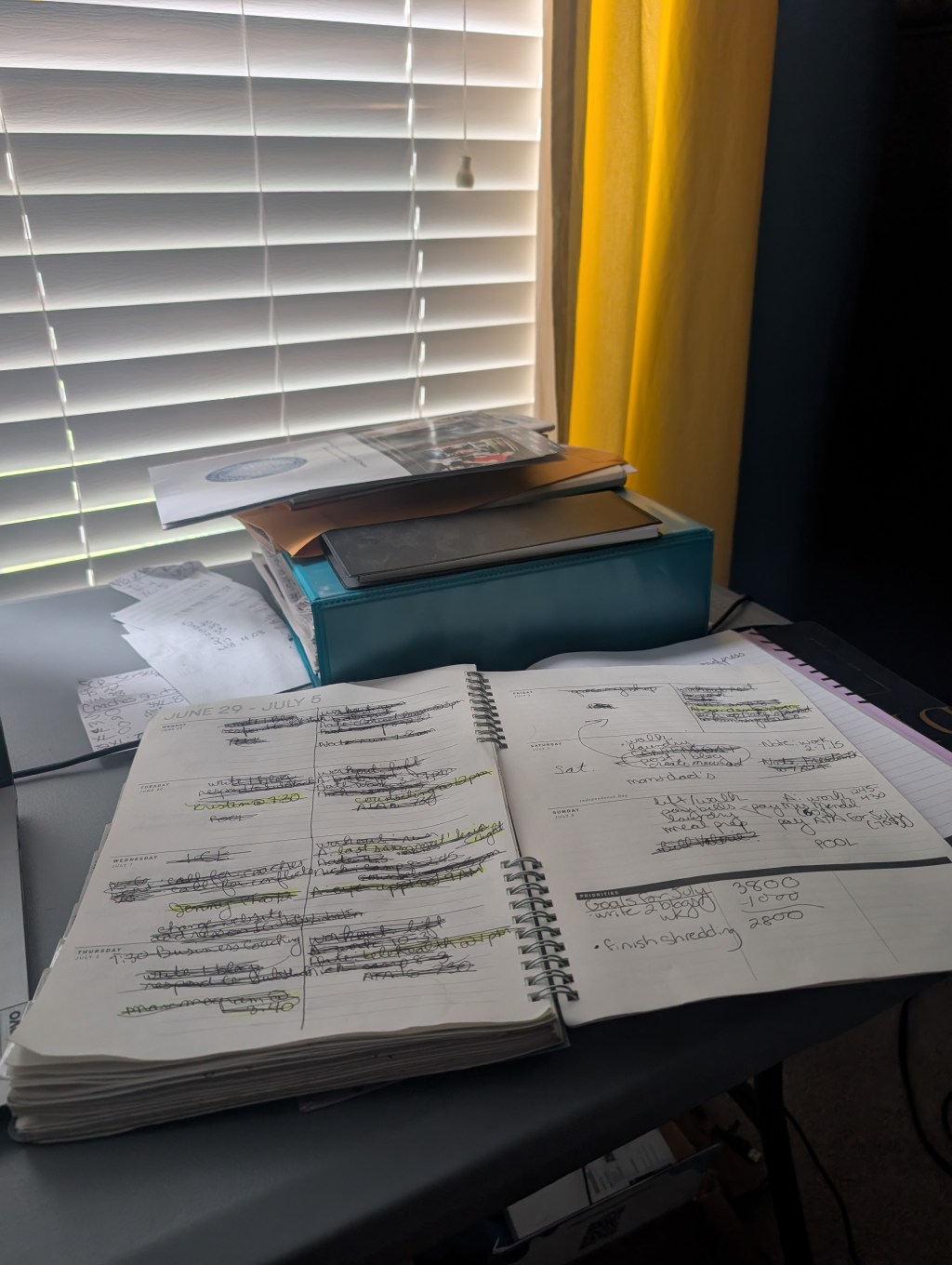
I am the most mentally inflexible person I know. I spend a good chunk of time on Sundays working through family logistics and who needs to be where, when. You change one of those dominoes and I am going to have a full on meltdown. Yes, I understand that things come up and yes, I wish I didn’t feel that way, but the reality is that I work hard to plan everything out and I hate that my effort goes to waste. This is also why I hate email. I can be chugging along, getting tasks done, and all of a sudden, I get a triggering email. While I have improved greatly with my email anxiety, occasionally it will be a special one that takes all of my attention, mentally and emotionally, to handle. Both of these situations can zap my energy for the rest of the day. Why?!
Feeling overwhelmed is very common for neurodivergent individuals and there is a lot that goes into those feelings. Keep reading for an explanation of what is going on in your brain and nervous system, as well as some strategies to help.
What Does “Overwhelm” Actually Feel Like?
Signs You May Be Moving Into Overwhelm
You may feel like you’re just in a bad mood, but all of these can also indicate overwhelm:
- Irritability
- Difficulty making decisions
- Trouble speaking or finding words
- Procrastination or task paralysis
- Increased sensory sensitivity
- Emotional outbursts or tears-I got to the point where I couldn’t have a conversation without crying.
- Numbing out with scrolling, snacking, or avoidance-I didn’t realize it at the time, but this was a big one for me and ultimately contributed to my 60 pound weight gain.
The Difference Between Stress and Overwhelm
- Stress= feeling stretched
- Overwhelm = feeling unable to access coping skills or executive functioning, or even daily functioning like remembering words, having conversations, etc.
Five Reasons You May Get Overwhelmed So Quickly
Your Nervous System Has Been Running on Empty
When was the last time you felt like you had energy? If you are under chronic stress, your nervous system is fried. This can be caused by:
- Chronic stress
- Caregiving demands
- Burnout accumulation
- Never truly recovering between stressors
Executive Function Uses More Energy Than People Realize
- Planning
- Prioritizing
- Task switching
- Holding multiple demands in mind
- Everyday tasks can feel cognitively expensive
I see so many clients try to hold all of these steps in their heads, which drains energy faster than people realize. I work with clients to create systems to externalize those tasks so they aren’t forgotten, but also aren’t staying in your head.
Sensory Input May Be Filling Your Cup Faster
I will always shout this one from the rooftops because it is almost always overlooked. If you are neurodivergent, chances are you are already sensory sensitive. It’s imperative to find ways to manage sensory input so you aren’t constantly overwhelming your nervous system with unnecessary stimuli.
- Noise
- Clutter
- Touch
- Notifications
- Constant interruptions
- The cumulative impact of “small” sensory stressors
You’ve Been Masking for Too Long
When you are chronically masking, your energy is quickly diminished with the following activities:
- Monitoring behavior
- People-pleasing
- Suppressing needs
- Performing competence
- The invisible energy cost of appearing okay
You Were Never Taught to Notice Capacity Limits
This one is dedicated to all of those other oldest daughters with neurodivergence, like me. We took care of everyone from an early age, praised for multi-tasking, and used that as our standard for self-sufficiency, with zero thought to whether or not this will have long-term consequences.
- Growing up praised for pushing through
- Internalized productivity expectations
- Difficulty recognizing early warning signs
Why Overwhelm Often Shows Up as “Laziness” or “Avoidance”
- The shame cycle
- Self-criticism increasing nervous system activation
- When you are burned out, your body goes into emergency mode. Thus, it begins to avoid things as a protective strategy. This is not a character flaw!
How to Catch Overwhelm Earlier
Identify Your Personal Warning Signs
Overwhelm can look differently in everyone. It’s important to know how your body responds. Do you get snappy with loved ones? Are you crying frequently? Creating an “overwhelm profile” for yourself is a great external reminder of what to look for.
Start Thinking in Terms of Capacity, Not Motivation
Remember, overwhelm is a capacity issue, not a motivation issue. Start by asking:
- “What is draining me?”
- “What can wait?”
- “What support would help right now?”
Build More Recovery Into Ordinary Life
This is hands down what I get the most pushback on when I work with clients. Everyone always says “I don’t have time for recovery”, but perhaps the best quote I have ever heard was “if you don’t listen to your body when it whispers, you will when it screams”. This is a crucial priority that if ignored, you could end up with more serious health concerns. The good news is they don’t have to be long and can even be effective within 5 minutes! Examples include:
- Sensory breaks-especially in between big tasks
- Simplifying decisions
- Nutrition and hydration
- Movement-you would be surprised at how much better you feel after 5 minutes of movement.
- Lowering expectations during high-demand seasons
Overwhelm is often a signal that your brain, body, and environment are asking for support—not evidence that you’re incapable. Learning your limits and respecting your capacity can be an important step toward feeling more regulated, effective, and connected to yourself again.
Interested in assessing your risk for burnout? I have a new FREE 3-minute assessment. Once you submit your responses, I will send you PERSONALIZED recommendations within 24 hours. You can access the assessment here.


Leave a Reply