
Before I received my anxiety diagnosis, I was working hard towards a promotion at work. I struggled a lot during this time because I felt like “I didn’t belong” and was trying to do everything right. A few months later I learned that what I was feeling was imposter syndrome. It took several years before I realized that I was masking my symptoms of anxiety to seem normal, or more importantly, capable and qualified. Imposter syndrome and masking can go hand-in-hand, but are also their own entities. It can be a very confusing time when you struggle with both, as you try to do the right thing for your life. That’s why in this post, I’m going to cover the characteristics of both and how you can manage your feelings so you don’t feel like you are being fake.
What Is Imposter Syndrome?
Imposter syndrome is feeling like you are in a higher position, but simultaneously feeling like you didn’t earn that right. Remembering how I felt years ago leaves me heartbroken because I worked so.hard. and sacrificed so much time with my family. And yet, I still felt like I didn’t deserve to be in any leadership position.
Common signs of imposter syndrome
- Feeling like your success is luck
- Fear of being “found out”
- Discounting achievements
- Comparing yourself to others, usually negatively
Why imposter syndrome develops
- Perfectionism-this is my biggest red flag for myself
- High expectations-tied with my red flag for perfectionism
- Chronic self-criticism
- Past experiences of failure or criticism-I didn’t necessarily have past experiences of failure, but I did have experiences with a narcissist who was constantly telling me what I was doing was wrong.
All of these can leave you feeling very unsure about your skills and qualifications, doubting your ability to be successful.
What Is Masking?
Masking is changing your behavior, usually to seem more “normal” or more accurately, more neurotypical.
What masking looks like in daily life
- Hiding autistic traits
- Compensating for ADHD symptoms
- Mimicking social behaviors
- Suppressing sensory needs and emotions-this was my biggest culprit. I was walking around smiling, doing all tasks as soon as I received them, all in the name of hiding the fact that on the inside, I felt like I was going to be “found out” at any moment.
Why neurodivergent people learn to mask
- Desire for acceptance
- Avoiding criticism or rejection
- Workplace and social pressures
- Childhood experiences of feeling “different”
Imposter Syndrome vs. Masking: How They’re Different
Imposter syndrome is about what you believe
- Internal thoughts and self-perception
- Doubting competence despite evidence
Masking is about what you do
- Behavioral adaptation
- Performing expected behaviors to fit in
Key questions to ask yourself to discern which applies to you
- “Do I think I’m not capable?”
- “Or am I hiding parts of myself to appear capable?”
Why They Often Show Up Together
The neurodivergent experience
- Years of receiving messages that you’re “too much” or “not enough”
- Constant effort to compensate for challenges
- Difficulty separating authentic self from performed self
How masking can create imposter feelings
- Success feels tied to performance rather than authenticity
- Fear that people wouldn’t accept the “real” you
The Hidden Costs of Masking and Imposter Syndrome
Emotional consequences
- Anxiety
- Chronic stress-this also equals chronic flight or fight syndrome, leading to physical consequences
- Shame
- Low self-worth
Physical and cognitive consequences
- Burnout
- Decision fatigue
- Exhaustion
- Reduced capacity for daily tasks
How to Start Untangling the Two
Notice when you’re performing versus doubting
- Self-reflection prompts
- Identifying situations that trigger each experience-the more you can talk through those experiences, the easier it will be to process your feelings
Gather evidence of your competence
- Tracking accomplishments
- Challenging distorted thoughts
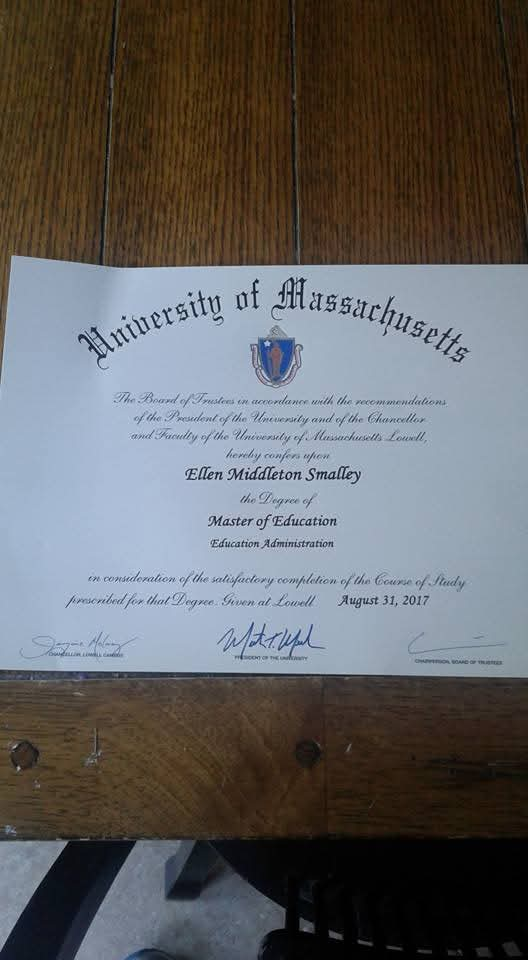
Not to brag on myself, but I have lots of accomplishments, including two master’s degrees. However, I still couldn’t believe in my self-worth. It actually took a trusted friend who works in a completely different field than me to point out my accomplishments and get me to see the value in the services I provide.
Experiment with safer authenticity
- Small ways to reduce masking
- Identifying supportive people and environments
Again, having supportive and trusted people who you are comfortable being authentic with goes a long way.
What Authentic Confidence Actually Looks Like
Moving beyond “proving yourself”
- Accepting strengths and limitations
- Building self-trust-this was my biggest problem. I had zero trust in myself. It took a lot of work to build this back up.
Learning that support does not invalidate competence
- Accommodations are tools, not cheating-as a teacher, I feel like I scream this from the rooftop all of the time. Accommodations can allow you to be the best and most authentic version of yourself. Why would you not use them? Another way to look at accommodations is as tools that help you be more efficient and more productive.
- Needing help doesn’t make you less capable-different situations require different resources.
Imposter syndrome is about the narrative you are telling yourself, while masking is the behavior you’re using to blend in. Both experiences are common among neurodivergent adults. When you have self-compassion and curiosity, rather than self-judgment, it becomes easier to untangle the two and see what kind of action will help. If you are ready to learn how to live with less masking, less shame, and more authenticity, schedule a free wellness strategy session with me using this link.


Leave a Reply